Year-Round Roof Skylight Maintenance Tips: Ensuring Your Home Stays Bright Throughout the Year
Seasonal maintenance of roof skylights is vital for maintaining their functionality and enhancing natural light in the home. Each season presents unique challenges that can affect both performance and aesthetics. Consistent upkeep can help avoid problems like leaks, condensation, and heat-related damage. Being aware of the distinct tasks necessary for every season helps ensure that skylights consistently perform at their best. The upcoming sections will outline essential maintenance tips for every season.
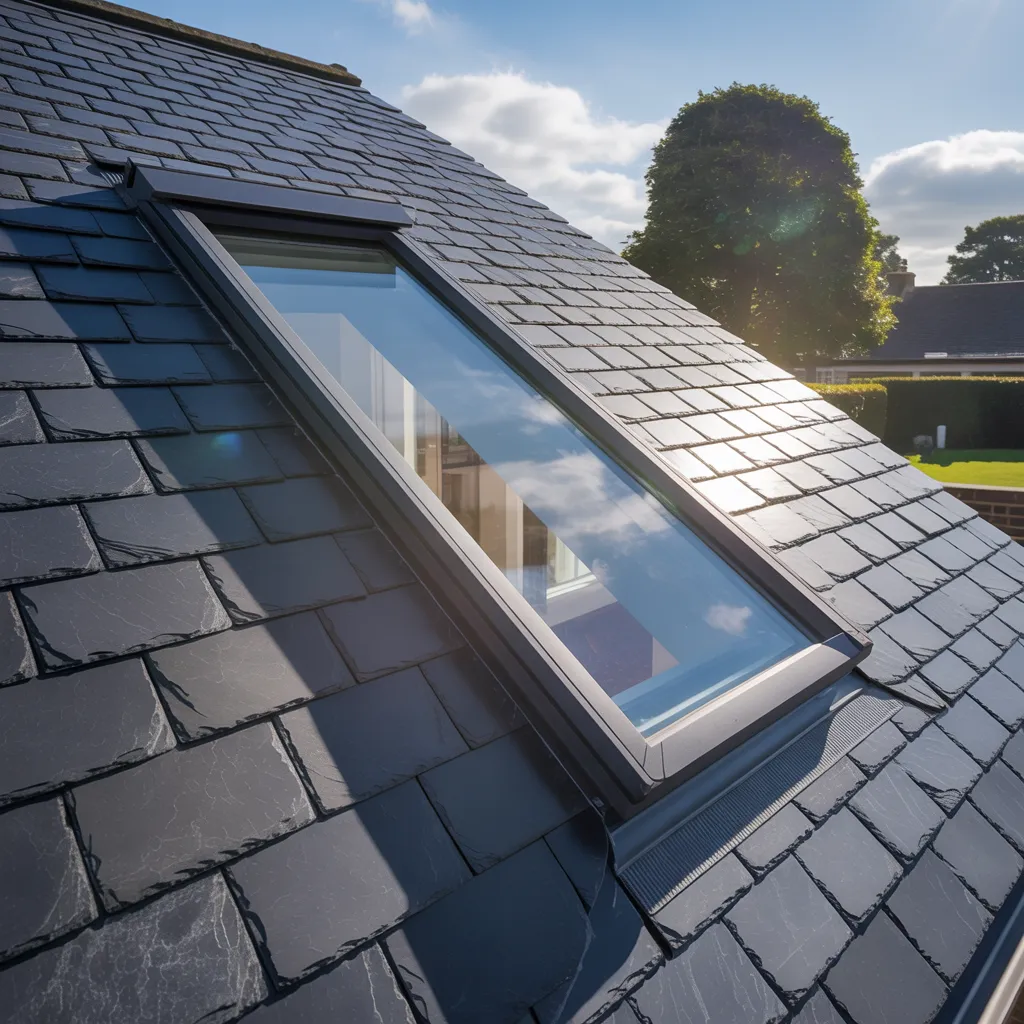
Why Routine Skylight Maintenance Is Important
Routine skylight upkeep is crucial for ensuring the longevity and efficiency of these structural elements. As time passes, skylights may gather dirt, debris, and moisture, which can result in reduced light transmission and possible water leaks. Regular checkups assist in detecting any indications of deterioration, such as splits or seals in need of renewal.
Keeping up with skylights not only boosts their visual charm but also contributes to energy efficiency. Routinely maintained skylights can considerably lower the need for artificial lighting, thereby cutting energy costs. Moreover, ongoing care can prevent more costly repairs in the future, maintaining the integrity of the roof's structure.
Seasonal Issues with Roof Skylights
Skylights experience particular challenges during each season, each introducing distinct problems that may compromise their efficiency and condition. In spring, intense rainfall can cause leaks when seals become damaged, with pollen gathering on surfaces and diminishing light transmission. Summertime delivers harsh heat alongside significant UV rays, which can degrade materials over time, possibly resulting in fading or structural distortion.
As autumn sets in, dropping leaves and debris may clog drainage systems, raising the likelihood of water accumulation. The harsh winter months introduce additional concerns; snow and ice may build up, placing excess weight and creating structural stress. Furthermore, cold temperatures can result in moisture accumulation, additionally increasing the chances of mold or mildew growth.
Understanding these seasonal difficulties is vital for home occupants to confirm their skylights remain functional, bright, and free from damage throughout the entire year. Preventative steps can minimize these potential issues, maintaining both utility and aesthetics.
Autumn Skylight Maintenance: Clear Away Debris and Prepare for the Winter Season
As the autumn leaves begin to drop, homeowners must prioritize maintenance for their skylights to ensure optimal performance during the winter months. The buildup of debris, including leaves and twigs, can block sunlight and result in potential water damage. Cleaning the skylight frames and surrounding areas is essential to ensuring proper drainage and preventing blockages.
Homeowners should also inspect the flashing and seals around the skylights for signs of deterioration or damage. Swapping out damaged seals can assist in preserving energy efficiency and avoiding leaks during harsh winter weather. Additionally, eliminating any moss or algae buildup is critical, as these can exacerbate deterioration over time.
Cold Weather Skylight Maintenance: Eliminating Condensation and Ice Buildup
Seasonal upkeep of skylights is critical for avoiding condensation and ice accumulation. Reliable insulation and sealing strategies can considerably decrease moisture collection, while routine cleaning habits help preserve optimal functionality. Moreover, applying freeze prevention techniques keeps skylights clear and fully functional across the coldest months.
Insulation and Sealing Techniques
Proper insulation and effective sealing are vital for maintaining skylights during colder months, as they help reduce condensation and ice formation. Homeowners ought to initially evaluate the insulation materials surrounding the skylight. Utilizing premium, energy-efficient insulation can reduce heat loss, decreasing the probability of condensation. Furthermore, weatherstripping ought to be installed around the edges of the skylight to create a tight seal, keeping cold air from penetrating the interior. Residents can additionally look into insulated shades or blinds to supply a supplementary shield against temperature variations. Regularly inspecting these areas for wear and damage is important, as even small gaps can lead to significant moisture issues. Thorough insulation and sealing confirm skylights continue to perform efficiently and conserve energy throughout the winter season.
Consistent Cleaning Practices
Maintaining clean skylights plays a vital role in preventing condensation and ice buildup during colder months. Consistent cleaning clears away grime, dust, and particles that can hold moisture in place, causing condensation to form on the interior surface. It is recommended that homeowners clean skylights no fewer than twice over the winter season. A soft cloth or sponge, combined with a gentle soap solution, can effectively eliminate grime without scratching the glass. Homeowners should also check for evidence of damage or deterioration in the skylight seals during cleaning. Making sure the exterior remains clear by snow or ice is essential, as this promotes proper drainage and air circulation. These cleaning practices contribute considerably to sustaining a well-lit and pleasant atmosphere indoors during the winter months.
Strategies for Preventing Frost
To prevent frost from forming on skylights during cold months, homeowners can apply a number of proven methods. As a starting point, maintaining proper insulation around the skylight will help maintain indoor temperatures, reducing the risk of condensation. Additionally, installing insulated or double-pane skylights can substantially limit thermal loss. Homeowners should also think about fitting a skylight vent, which can promote airflow and minimize humidity levels inside the home. Regularly checking and repairing weather stripping is essential to block cold air and moisture from entering. Beyond that, sustaining a uniform indoor climate can help stabilize humidity, thereby reducing frost formation. By employing these strategies, homeowners can successfully reduce frost accumulation and confirm their skylights stay clear and operational during the winter months.
Spring Skylight Care: Inspect and Clean Your Skylights
With the arrival of spring, homeowners ought to focus on skylight maintenance, ensuring these features remain functional and aesthetically pleasing. The changing season offers a great chance for a detailed examination and thorough cleaning. Homeowners should start by inspecting the skylight for any evidence of deterioration, such as fractures or leaks, which could cause greater complications if ignored.
Following this, washing the skylight's exterior is crucial for optimal light transmission. A mixture of mild detergent and water can efficiently clear away grime and buildup. It is important to refrain from using strong solvents that might damage the glass panels or structural frame.
Furthermore, checking the flashing and seals around the skylight helps prevent water intrusion. Any wear or deterioration should be addressed promptly. By committing time to these tasks in springtime, homeowners can guarantee their skylights keep enhancing their living areas throughout the year.
Summer Skylight Maintenance: Defending Against Sun Exposure and High Temperatures
During the summer months, proper skylight upkeep is essential for safeguarding interiors against excessive UV rays and heat. Property owners should look into applying UV-protective window films to their skylights, which can significantly minimize glare and stop fading of furniture and decor. Periodic examinations for signs of wear or damage to seals and frames are essential; compromised seals can lead to thermal infiltration and higher energy expenses.
In addition, adding exterior shading options, such as shade sails or covers, can be beneficial in limiting excessive sun infiltration. It is also wise to ensure sufficient air circulation in the region directly beneath the skylights to help balance temperature and limit heat retention. By following these practical precautions, property owners can sustain a comfortable living space while enjoying the natural light that skylights provide, ultimately enhancing their living spaces during the sweltering summer days.
Vital Skylight Maintenance Advice for Year-Round Upkeep
Routine skylight upkeep is crucial for ensuring durability and optimal performance all year long. Homeowners should begin by inspecting the skylights review regularly for signs of leaks or damage, particularly after severe weather. Wiping down the glass and frames no less than twice per year assists in sustaining brightness and avoids debris buildup, which can impede natural light. Additionally, checking and clearing any debris from surrounding areas, such as leaves and branches, can prevent blockages that lead to water pooling.
It is also important to verify that flashing is intact and properly sealed to avoid moisture infiltration. For energy efficiency, think about installing window film or shades to control indoor temperature and minimize UV exposure. Lastly, should any problems be identified, like fractures or considerable wear and tear, immediate repair or professional guidance is suggested to prevent further deterioration. Regular monitoring of these factors will ensure skylights operate effectively and elevate the home's overall appeal.

Common Questions and Answers
How Frequently Should I Replace My Skylight Seals?
Skylight seals need to be replaced every five to ten years, based on environmental conditions and materials used. Periodic inspections can help identify signs of deterioration, guaranteeing optimal performance and preventing leaks, effectively maintaining the skylight's performance and appearance.
Am I Able to Install Skylights on My Own?
Fitting skylights yourself is possible for individuals with building knowledge, yet it requires meticulous preparation and following applicable building standards. Working with experienced contractors is advisable to ensure accurate setup and steer clear of foreseeable challenges connected to water damage or structural concerns.
What Are the Most Energy-Efficient Types of Skylights?
The top energy-efficient skylight options generally incorporate double or triple-pane glazing, low-emissivity coatings (Low-E), and high-performance insulated frames. These elements limit heat transmission, enhance insulation, and reduce energy costs while keeping ideal natural light levels within a home.
What Is the Best Way to Choose the Right Skylight Size?
To determine the right sizing skylight option, you should evaluate the dimensions of the room, ceiling height, and the desired amount of light. A standard rule of thumb recommends a skylight area of 10-15% of the room's floor area for optimal lighting.
Are There Skylights Available That Provide Ventilation by Opening?
Indeed, there are skylights specifically created for ventilation purposes. These operable skylights can be opened manually or electronically, permitting fresh air to move freely while supplying natural light, improving comfort levels and air quality throughout the living space.